This article may contain affiliate links. If you buy through them, Living Healthy Choices may earn a small commission at no extra cost to you. Learn more.
It was a Wednesday, and by the time Vaughn got home his brain felt like it had been used up hours earlier. Nothing dramatic had happened, just a full day of meetings back to back with no real break, the kind of day that is not physically tiring but leaves him wrung out anyway. He opened the fridge, looked at the ingredients for the pasta dish he had planned, and closed it again.
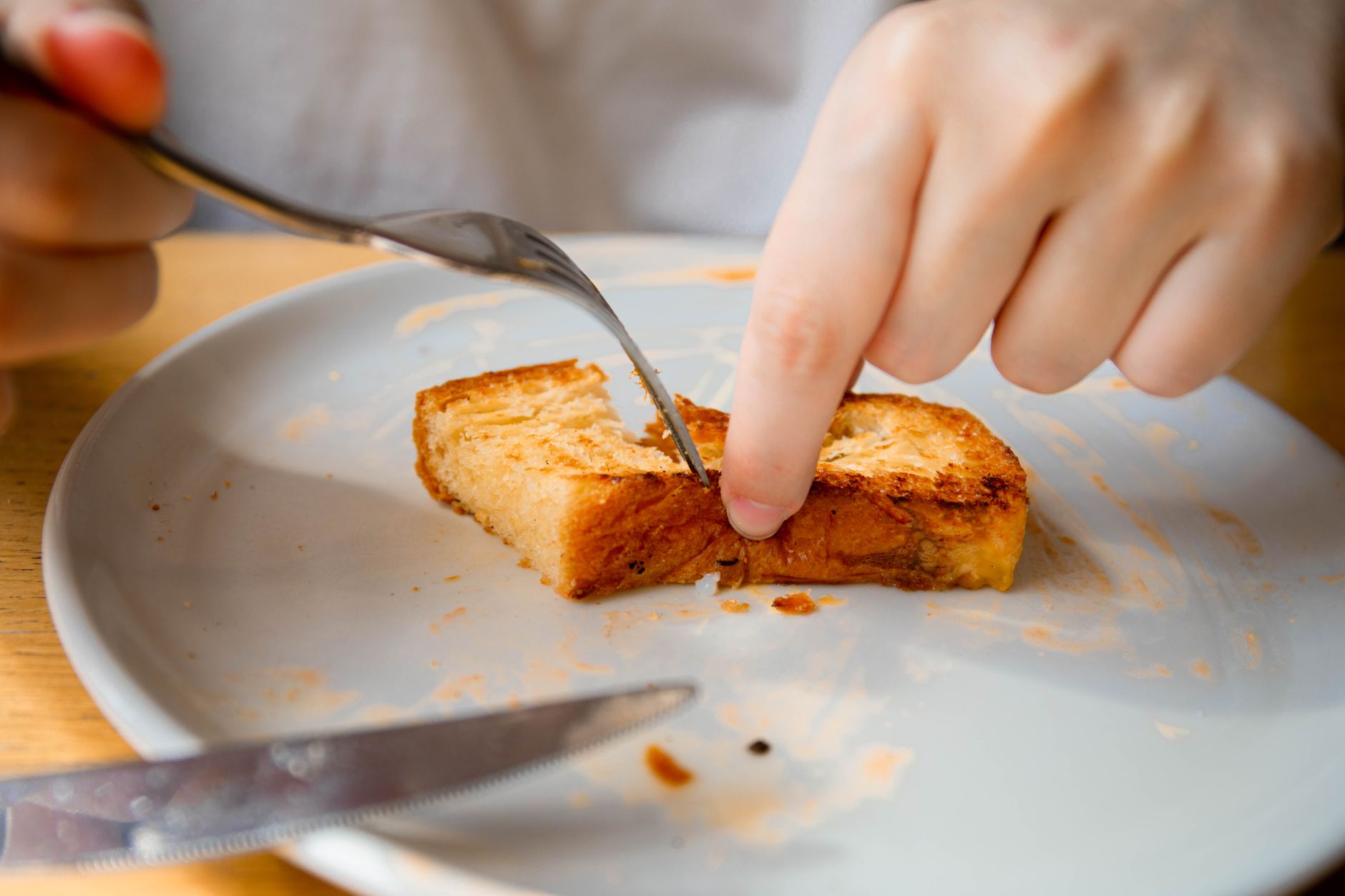
He made toast instead. Two slices, with avocado and a fried egg on top, eaten at the kitchen counter in under ten minutes. That was dinner.
The instinct he had to push past
His first reaction was that this was not a real dinner, that a proper evening meal should involve more steps and more food on the plate than toast and an egg. That instinct comes from somewhere reasonable, a dinner that is too small can leave you hungry an hour later, foraging through the pantry for something else. But he checked in with himself honestly and the toast with avocado and egg was actually enough. He was not still hungry afterward. The idea that it was not a “real” dinner was about appearances, not about whether it did the job.
What was actually going on that night was that he did not have the energy for a dinner with several steps, and pretending otherwise would have meant either skipping the meal entirely or forcing through a recipe he was not going to enjoy making or eating.
The toast had protein from the egg, some fat from the avocado, and he was not hungry again until the next morning. That was the actual test, not how many ingredients were involved.
What made this different from just not eating properly
There is a real difference between simplifying a meal and skipping it. He did not skip dinner. He made something smaller and faster that still had some substance to it, an egg for protein, avocado for something more than plain bread. If he had just eaten dry toast with nothing on it, or skipped the meal to go straight to a bag of chips on the couch, that would have been a different kind of choice, one driven by not caring rather than by matching the meal to the energy he actually had that evening.
The distinction mattered to him because it meant this was not a night where he gave up on eating well, it was a night where he adjusted what eating well looked like given the day he’d had.
How often this happens and why that matters
If every dinner started looking like toast eaten standing at the counter, that would be worth paying attention to, not because toast is bad, but because it would suggest something bigger is off, either with how draining the days have gotten or with motivation around food generally. For Vaughn this happens maybe once every couple of weeks, on the specific days that go the way that Wednesday went. It stands out because it is the exception, not the pattern.
He has learned to notice the difference between a night where he genuinely does not have it in him to cook, and a night where he is just avoiding the kitchen out of low motivation even though he has the energy if he pushed a little. The first is worth honoring with a smaller, simpler meal. The second is worth pushing through a little, because the resentment of skipping a meal he actually had time for tends to catch up with him later.
A few things that help on nights like this
- Keep a few no-cook or barely-cook options on hand, eggs, bread, avocado, canned beans, so a low-energy night does not default to nothing.
- Ask honestly whether the small meal will actually hold you until morning, not just whether it looks like enough on the plate.
- Notice if this becomes the pattern most nights rather than an occasional one. A single toast dinner is not a problem. Toast dinners most nights of most weeks is worth a closer look, and if appetite or energy is consistently that low, that is a conversation for a doctor rather than something to just manage around.
- Do not try to make up for a smaller dinner by overeating the next day. One lighter meal does not need to be corrected for.
The pasta ingredients kept fine in the fridge and became dinner on Thursday, a night that actually had the energy for them. Wednesday just needed toast.
Why he does not treat this as a fallback he needs to fix
There is a temptation, after a night like that Wednesday, to feel like the next day needs to make up for it somehow, a bigger breakfast, a more elaborate dinner, something to balance the ledger. He has tried to let go of that thinking, because a single simple dinner does not create a deficit that needs correcting. His body did not need more food the next day because of the toast, it needed a normal amount of food the next day regardless of what happened the night before.
That reframe took a while to settle. Earlier in the year, a similarly low-energy night led him to eat a much bigger lunch the following day, not because he was hungrier than usual, but because some part of him was still trying to account for the smaller dinner. It did not feel good, and it was not based on anything real. Since then he has tried to treat each meal on its own terms rather than as part of a running total that needs to even out.
He has also noticed that keeping a short list of low-effort, still-substantial options ready in the kitchen makes nights like this easier to handle without spiraling into either forcing a full recipe or skipping the meal outright. Eggs, bread, a jar of nut butter, canned beans, a bag of frozen vegetables that microwave in a few minutes. None of it requires planning ahead in any serious way, it just requires having a few things in the house that can become food quickly when the day has not left any room for more than that.
The bigger thing he pays attention to is not any single night but the pattern across weeks. A toast dinner every so often is just part of having a life with some demanding days in it. If it started happening most nights, or if his appetite in general felt like it was fading rather than just adjusting to a hard day, that would be a different situation, and one worth bringing up with a doctor rather than solving with a better pantry.