This article may contain affiliate links. If you buy through them, Living Healthy Choices may earn a small commission at no extra cost to you. Learn more.
My college roommate got married in late June, and I had every intention of pacing myself. I remember thinking that on the drive to the venue. By the time the reception wound down, I had lost count somewhere after the toasts, and the next morning I woke up in a hotel room with a headache that made the curtains feel personally aggressive.
Lying there, the first thing that came was not just the headache. It was a familiar internal lecture about how I always do this at weddings, how I have no control, how I am going to feel awful for the entire drive home. That lecture ran for a good twenty minutes before I even got out of bed.
Separating the hangover from the shame
At some point I noticed that the physical discomfort and the mental one were two different things, and I had been treating them as a single package for years. The headache and the dry mouth would pass in a few hours regardless of what I thought about myself. The shame spiral, on the other hand, could stretch on for the whole day if I let it, replaying the night and cringing at things that, when I actually thought them through, were mostly fine. I had danced too much and laughed too loud. That was the entire crime.
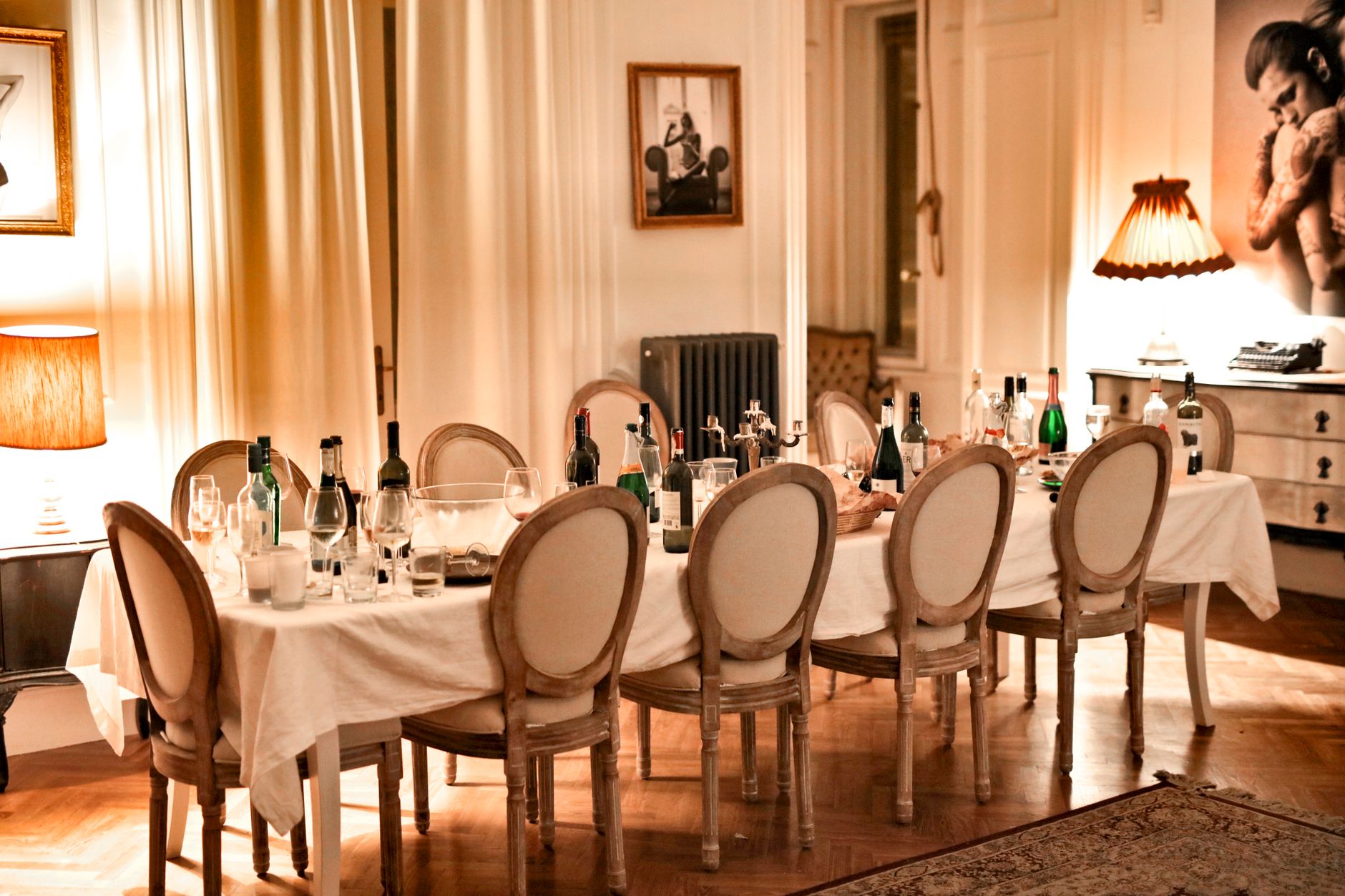
Weddings are not a normal Tuesday. There is an open bar, there are toasts that come with a drink attached, there is a room full of people celebrating something genuinely happy, and the whole event is built around extended celebration. Drinking more at a wedding than on an average night is not some unique personal failure. It is closer to the default outcome of the setting.
Where the guilt was doing more harm than the drinks
What I started to notice, looking back at a few of these mornings over the years, is that the guilt itself had a cost that the drinking did not. A rough night out followed by a day of self-criticism meant I was tired, irritable, and short with people for longer than the hangover alone would have caused. The physical recovery took a few hours. The mental one, when I let the lecture run, took most of the day.
I also noticed that the harsher I was on myself after one of these nights, the more likely I was to either avoid social events afterward out of some vague sense of needing to atone, or to swing the other way and not think about it at all until the next big event where the same thing happened again. Neither version involved actually learning anything. Both were just reactions to the guilt, not to the night itself.
A wedding is not a referendum on my relationship with alcohol. It is one night with an open bar and a lot of toasts.
What I actually did differently afterward
The thing that helped was asking a much smaller question than “what is wrong with me.” I asked whether the night told me anything specific and useful. In this case, it did. I noticed that I had skipped eating much of anything before the ceremony because I was nervous about a speech I had to give, and drinking on an empty stomach at an event where the drinks kept appearing is a pretty reliable way to lose track of how much you have had. That is a concrete, fixable detail. Eat something real before an event like that. It has nothing to do with willpower.
I also gave myself permission to just let the day after be a recovery day without treating it as punishment. Water, a slow morning, food when I felt up to it, and no lecture running in the background. The lecture never actually made me drink less at the next wedding. Paying attention to the small, practical thing, like eating beforehand, did.
Why one night does not need a verdict
I used to think that if I did not feel bad enough about a night like that, I would just keep doing it forever, that the guilt was somehow load-bearing for my future choices. What I have found instead is closer to the opposite. When I stop treating one over-the-top night as proof of some deeper problem, I am actually more clear-eyed about whether there is a real pattern worth addressing, rather than reacting to shame every time.
If drinking at events had become a source of ongoing worry, or if it started happening more regularly than just the occasional wedding or celebration, that would be worth a real conversation with a doctor rather than something to sort out through self-reflection alone. But an occasional night where a wedding gets the better of your pacing is not that. It is just a wedding.
These days, when I wake up feeling rough after a celebration, I try to give myself the same grace I would give a friend telling me the same story. Drink some water, eat when you can, laugh about the parts that are actually funny, and let the rest go. The night does not need a verdict. It just needs to be over.