This article may contain affiliate links. If you buy through them, Living Healthy Choices may earn a small commission at no extra cost to you. Learn more.
Vaughn had a meeting that ran until almost seven that Tuesday, the kind that starts as a quick check-in and turns into forty-five minutes of people talking past each other. By the time he got home, the plan he had for dinner, some chicken thighs that needed to be seasoned and roasted, felt like a project for a person who did not exist yet that night.
He stood in front of the open fridge for a minute, not really looking at anything. The chicken was there. So was a bag of spinach starting to turn. He closed the door and picked up his phone instead.
There used to be a version of him that would have pushed through anyway, cooked the chicken at eight, eaten at nine, and felt vaguely resentful about it the whole time. That version made dinner every single night whether or not the day had left any room for it. It took a while to notice that the meals made under that kind of pressure were not actually better for him just because he cooked them himself. They were just later, and he was more tired while eating them.
What actually changed his mind
The thing that shifted was not a rule. It was noticing that on nights like this one, ordering takeout meant he ate around seven thirty instead of nine, and he had some evening left afterward instead of collapsing straight into the couch with a full stomach and a sink of dishes waiting.
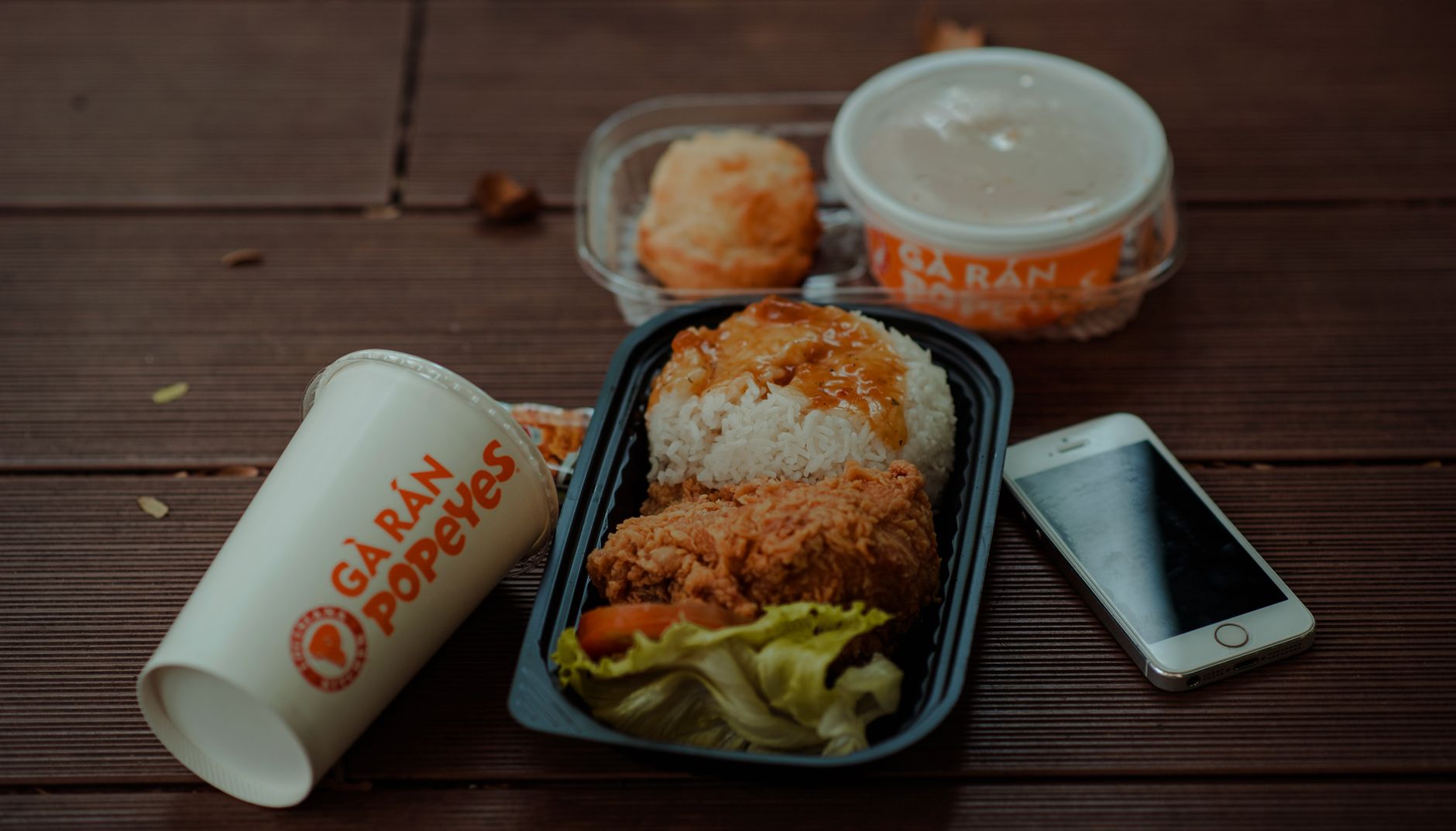
He picked a place that did a grilled chicken bowl with rice and vegetables, something closer to what he would have made than a burger and fries would have been. That was the only real filter he applied: was there an option that looked like a plate of food rather than a plate of fried stuff. Most delivery apps have at least one thing like that if you look for two minutes instead of ordering the first thing that pops up.
The chicken thighs went in the freezer that night. They turned into dinner two days later, on a night that actually had room for them.
The tradeoff he was actually making
Takeout on a busy night is not free. It costs more than cooking would have, and restaurant portions tend to run larger and heavier on salt than what he would plate at home. He knows that. The choice was not “takeout is just as good as cooking,” it was “on this specific night, the alternative to takeout was not a home-cooked meal, it was a much later meal eaten while resentful, or no real meal at all and a bowl of cereal at ten.”
That is the part that took him longest to accept. The comparison people make in their heads is usually “takeout versus a nice home-cooked dinner,” but on an actually busy night, that is not the real choice on the table. The real choice is between takeout, a rushed and late meal, or skipping dinner and grazing on whatever is easiest to grab later. Once he started comparing takeout to what would realistically happen instead of what would happen in an ideal week, it stopped feeling like a failure and started feeling like picking the best option from what was actually available that day.
How he decides on nights like this now
He does not have a strict rule about how many nights a week takeout is allowed. What he pays attention to instead is whether it is becoming the default even on nights that had room for cooking, versus being the answer on the specific nights that genuinely did not. A week where every night looks like the Tuesday above is a different situation than one where this happens once.
- He checks the clock honestly. If it is past seven and he has not started cooking, he asks whether the meal he had planned would actually get made well, or rushed and half done.
- He looks for a bowl or a plate style option instead of the first fried thing on the menu, without spending ten minutes debating it.
- He puts whatever he was going to cook back in the fridge or freezer right away, so the ingredients do not go to waste and quietly turn into guilt a few days later.
- He does not try to make up for it the next day by eating less. One meal is one meal.
Where this stops being a small choice
If takeout nights are happening because the week is genuinely packed, that is a scheduling reality, and the honest fix is not a better dinner strategy, it is looking at why so many evenings run long. Food is often standing in for a bigger conversation about the pace of the week itself, and no amount of clever meal planning solves a calendar that has no slack in it.
If takeout starts feeling like the only thing that sounds appealing even on nights with time to spare, or if eating in general feels like something to avoid or dread, that is worth talking to a doctor about rather than working around on your own. Most weeks, though, it really is just a Tuesday that ran long, and ordering food is not a lapse, it is just the reasonable response to how the day actually went.