This article may contain affiliate links. If you buy through them, Living Healthy Choices may earn a small commission at no extra cost to you. Learn more.
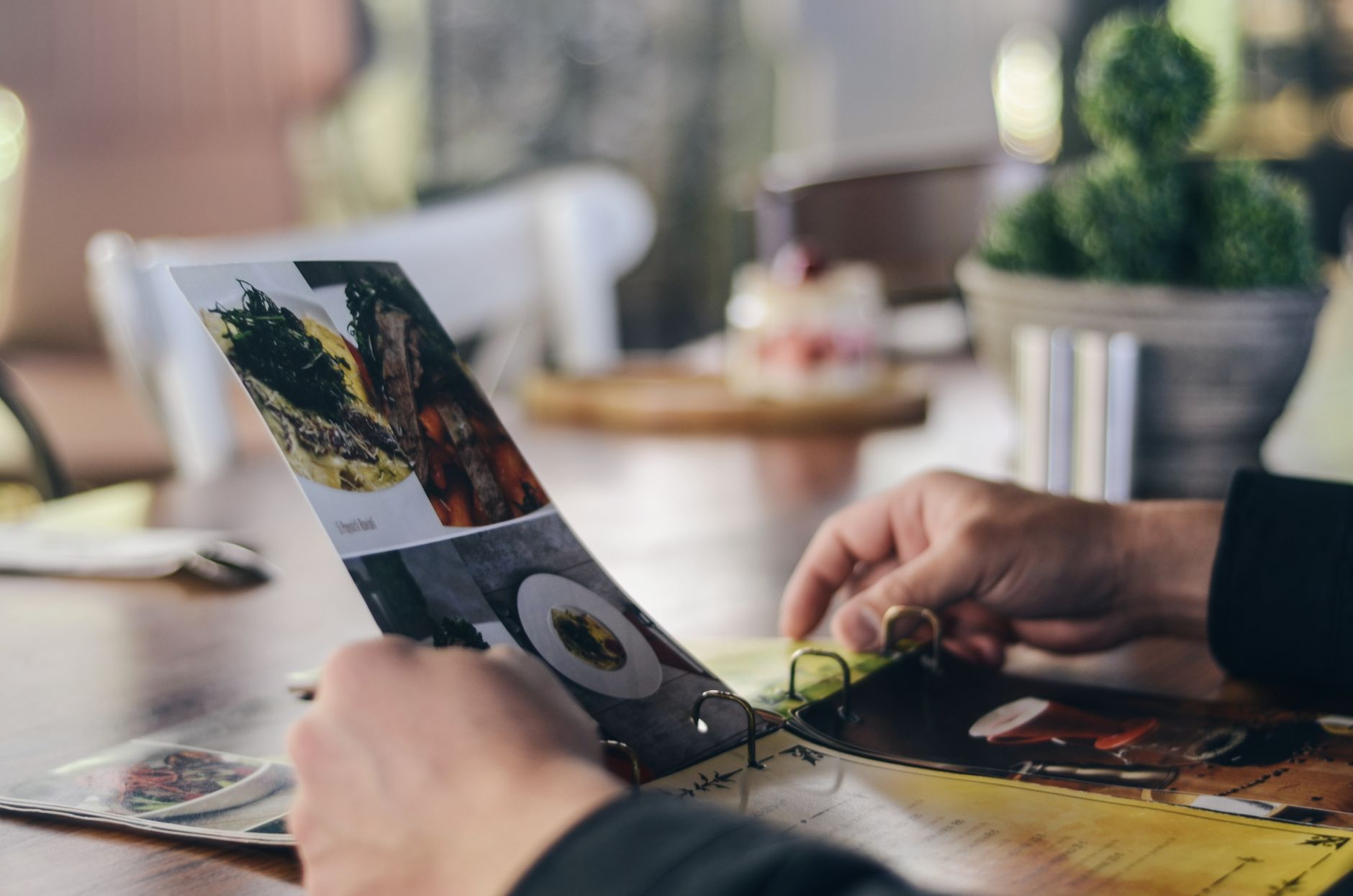
A new coworker asked me to lunch during her first week, and because I didn’t know her well yet, I didn’t want to rush through it the way I rush through basically every other work lunch. Most days I’m back at my desk in under forty minutes, which means I order the first thing on the menu that sounds acceptable and move on. That day, sitting across from someone I’d just met, I actually read the whole menu. Twice.
It sounds like nothing. It felt like nothing while it was happening. But by the time our food arrived, I’d noticed something: I’d almost ordered a sandwich I get out of habit, not because I wanted it that day, but because it’s the fast, known choice at that particular place.
How the habit built up
Work lunches have a clock built into them that most other meals don’t. There’s a meeting at one, or a call, or just the general pressure of being away from your desk too long. Over years of that, I’d trained myself into a short list of orders at every restaurant near the office, not because they’re my favorites, but because they’re fast and I already know I’ll like them enough. Enough being the key word. Not great, just enough to get back to my desk without a decision slowing anything down.
That’s not a bad system exactly. It solves a real problem, which is limited time. But somewhere along the way it stopped being a shortcut and started being the only way I ordered lunch, even on the rare day when I had time to spare. I couldn’t remember the last time I’d looked past the two or three things I always got at any given place, even at restaurants I’d been going to for years.
What the slower lunch showed me
With an actual conversation going and no meeting looming, I ended up ordering something I hadn’t tried at a restaurant I walk past three times a week. It was good. Better than my usual, if I’m honest, and I’d been walking past it for months without ever considering it because it wasn’t on my known-fast list.
The lunch ran a little long. I was back at my desk twelve minutes later than usual. Nothing broke. Nobody noticed. The version of the afternoon where I lost twelve minutes and got a new coworker off to a good start was clearly the better version, and it took almost no effort to get there once I stopped defaulting to the clock. We ended up talking about a project neither of us would’ve brought up over email, which turned out to matter more for how we work together now than the lunch itself.
My “fast lunch order” list had quietly become my only lunch order list, even on days when speed didn’t actually matter.
What I do differently at lunch now
I still order fast on the days that call for it. Some days really do have a one o’clock meeting bearing down, and the sandwich I know works is exactly the right call. But I try to actually notice which kind of day it is before I default to the short list, instead of treating every single work lunch like it’s a race against a clock that, most days, isn’t even running.
It’s a small adjustment, and it hasn’t changed my job or my schedule. What it changed is that lunch went from something I got through to something I occasionally look forward to, which matters more over a few hundred workdays a year than it sounds like it should on any one afternoon. I’ve started asking a coworker or two if they want to grab lunch instead of eating at my desk most days, partly because that slower lunch reminded me how much better the whole thing feels with a little room in it.
A pattern I noticed after the fact
Once I started paying attention, I realized the short list wasn’t really about the food at all. It was about avoiding a decision during a part of the day that already felt full of decisions. Ordering the usual meant one less thing to think about, which made sense when the job was actually demanding that kind of triage. The trouble was I kept applying the shortcut long after the demand had eased up, on slower days, quieter weeks, lunches with plenty of time to spare.
Now when I catch myself reaching for the usual order without thinking, I try to ask whether that’s actually the day for it. Sometimes it is, and I order it without a second thought. Sometimes it isn’t, and I end up trying something I’d have walked past for another six months otherwise.
What I try to check before ordering at a work lunch
- Whether the day actually has a tight clock on it, or whether I just assumed it did.
- Whether I’m ordering the fast thing because I want it, or because it’s fast.
- Whether I’ve actually looked at the whole menu or just the part I always order from.
- Whether the company at the table calls for a slower lunch than usual.
- Whether twelve extra minutes back at my desk would really cost anything.
My coworker and I still get lunch sometimes, and I read the menu properly now more often than not. It’s a small habit to have loosened, but it’s made an ordinary Tuesday lunch into something I don’t just tolerate. If food ever starts feeling like something you can only get through rather than enjoy, on most days rather than just busy ones, that’s worth mentioning to a doctor.