This article may contain affiliate links. If you buy through them, Living Healthy Choices may earn a small commission at no extra cost to you. Learn more.
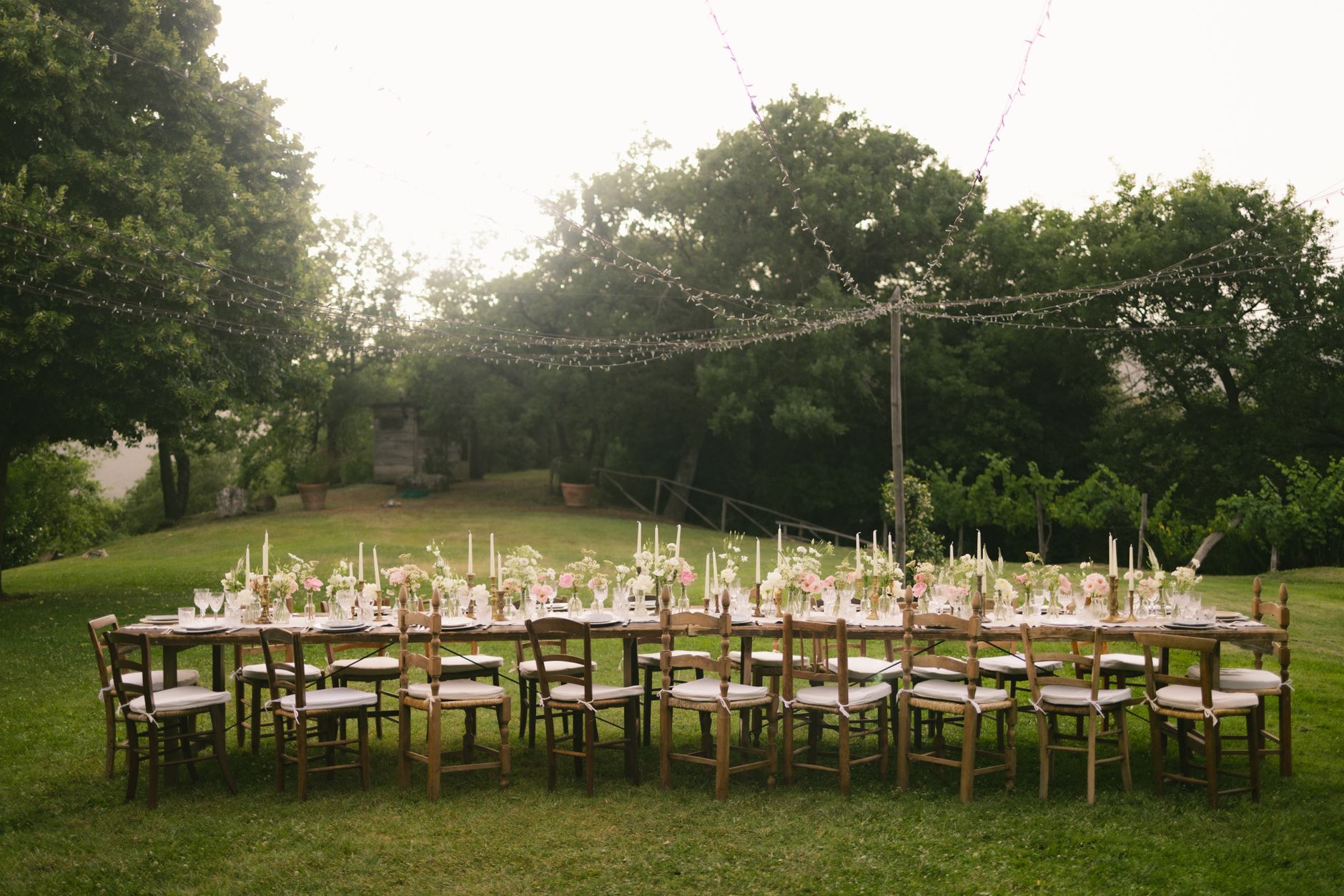
The wedding was at a vineyard about an hour outside the city, the kind of venue where the open bar starts the second the ceremony ends and doesn’t stop until the last shuttle leaves. I got there around four in the afternoon, hugged people I hadn’t seen since college, and had a glass of champagne in my hand before I’d even found my seat.
By the time dinner started I’d had two more. Nothing dramatic, just the normal rhythm of a wedding where someone keeps refilling your glass and you keep letting them. Somewhere around the toasts I noticed I was doing math in my head instead of listening to the best man. How many had I had. How many hours until I needed to drive. Was the shuttle back to the hotel actually running or was that a rumor someone started at cocktail hour.
I spent more of that reception counting than dancing. That’s the part that stuck with me afterward, not the wedding itself, which was lovely, but the fact that I’d turned an evening meant for celebrating into a quiet background spreadsheet I was running in my own head.
Why the counting started in the first place
I think it came down to not deciding anything ahead of time. I hadn’t told myself what the night was going to look like before I walked in. No plan for how many, no plan for pacing, no plan for what I’d do once I hit whatever number felt right to me. So instead of one decision made calmly beforehand, I ended up making a dozen small decisions in real time, each one a little foggier than the last because the thing clouding my judgment was the same thing I was trying to judge.
A friend of mine who rarely drinks at these events told me once that she decides in the car on the way there. Two, maybe three, and she’s done by nine. I used to think that sounded joyless, like she was showing up to a party with a rulebook. Standing at that vineyard doing anxious math during the father-daughter dance, I understood the appeal a lot better.
What actually changed the next event
A few months later there was a coworker’s engagement party, smaller, more low-key, but still the kind of night with a full bar and no clock in sight. This time I decided before I left my apartment. Two drinks, spaced out, water in between, and I’d be the one driving so that part wasn’t up for negotiation anyway.
Having decided ahead of time freed up an enormous amount of mental space. I wasn’t tracking anything because there was nothing to track. I knew my number, I knew my plan, and everything else was just being at a party. I talked to more people that night than I had at the wedding, not because I was more social by nature, just because my attention wasn’t split between the room and the running count in my head.
The decision made in advance took less energy than the decision made in the moment, every single time.
Saying no without making it a thing
The part I used to dread was the moment someone notices your glass is empty and reaches for the bottle before you’ve said anything. I’ve found the easiest way through that isn’t a long explanation, it’s just a short, calm line and moving on. “I’m good for now, thanks” works fine. So does just holding a glass of water or soda and letting people assume what they want. Nobody at that engagement party asked me a single question about it. I think I built up the moment in my head more than anyone else in the room ever would have noticed it.
There’s also the version of this where someone does push a little, a “come on, one more” from someone who’s had a few themselves. I’ve learned that repeating the same short answer works better than a new explanation each time. People generally let it go faster than you’d expect once they realize you’re not going to argue about it.
The morning after tells you something too
The day after the wedding I felt worn out in a way that had nothing to do with dancing, because I hadn’t done much of that. Foggy, a little headachy, slow to get going. The day after the engagement party I woke up and just felt like myself, out for coffee with my partner by ten like it was any other Saturday.
That contrast ended up being more convincing than anything I could have reasoned my way into. It’s one thing to tell yourself moderation is a good idea in the abstract. It’s another to feel the literal difference in your own body two mornings in a row, a few months apart, from two versions of basically the same kind of night.
What I’d tell someone before their next big event
Decide before you walk in, not after the first glass is already empty. Have a number in mind, or a cutoff time, or a plan to alternate with water, whatever shape works for you, and pick it before the open bar is standing in front of you making it a live decision. It’s a lot easier to hold a line you set when you were thinking clearly than to invent one on the spot when you’re three drinks past clear thinking.
If a night out ever brings up something heavier than a foggy morning, ongoing anxiety about drinking, trouble stopping once you start, or anything that feels bigger than just pacing yourself at a party, that’s worth bringing to a doctor rather than trying to solve with a personal rule. But for the ordinary wedding-season gauntlet of open bars and toasts, a plan made in the car beats a plan made at the bar, every time I’ve tested it.