This article may contain affiliate links. If you buy through them, Living Healthy Choices may earn a small commission at no extra cost to you. Learn more.
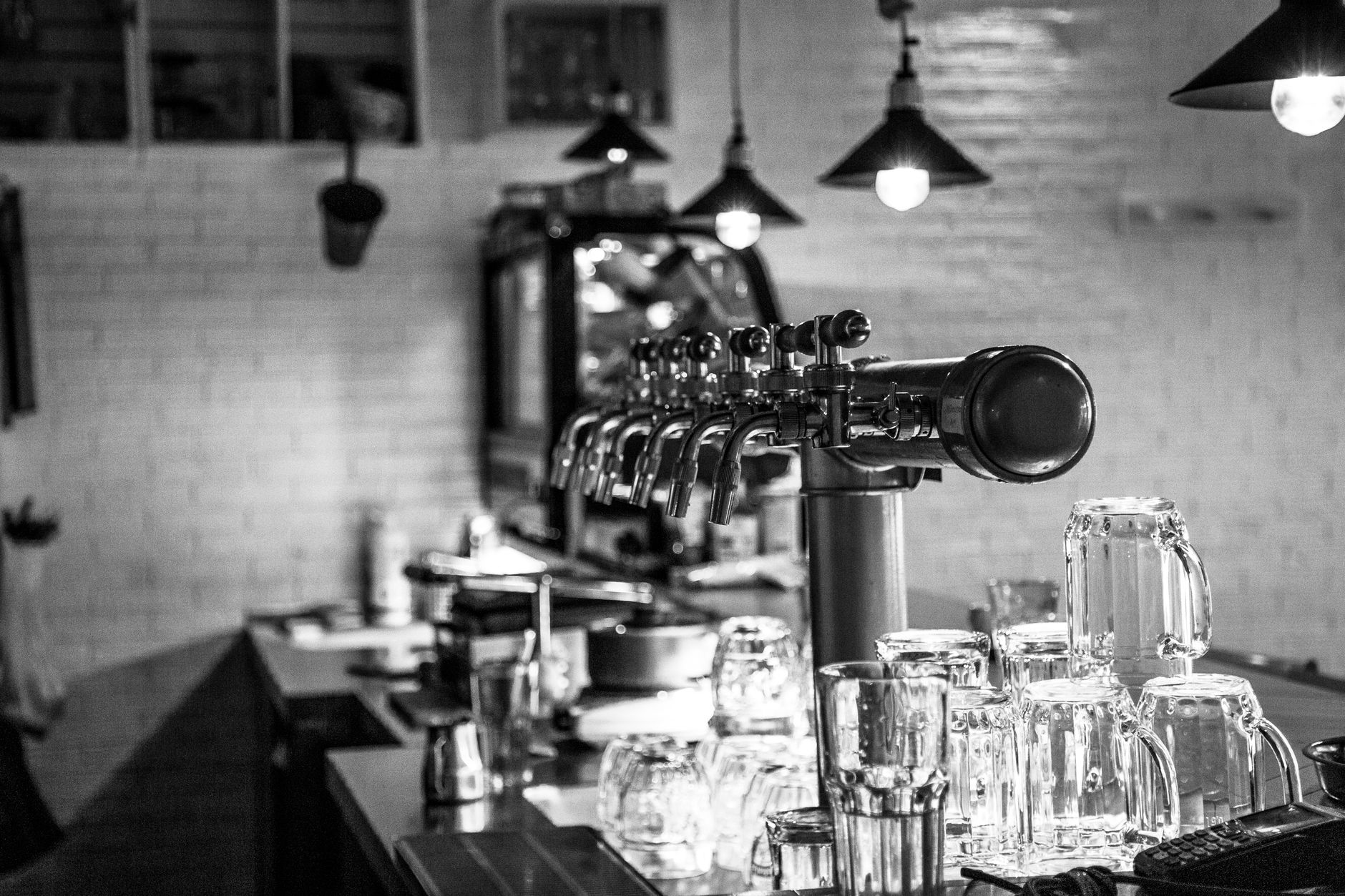
It was a Thursday, which at my old job meant happy hour at the bar around the corner from the office, a standing tradition that had been going on longer than I’d worked there. Everyone ordered the same round of beers on the first trip, and by the second round someone was already asking who wanted another.
I’d had a rough week and a longer drive home than usual ahead of me, and I genuinely didn’t want a second drink. But when the question came around the table, I heard myself start explaining. I said something about a busy weekend coming up, and how I wanted to get ahead on sleep, and how I probably shouldn’t since I had an early morning. By the time I finished, I’d said about four sentences to justify something that should have taken four words.
Nobody at that table needed the explanation. I gave it because I felt like I owed one, and that feeling is what I ended up thinking about on the drive home.
Where the urge to explain comes from
I think it’s rooted in the idea that turning down a drink is somehow a comment on the people who are still drinking, like saying no is a quiet judgment of everyone who says yes. So the explanation becomes a kind of insurance, a way of proving that you’re not opting out because you disapprove, just because of scheduling or tiredness or whatever reason feels acceptable enough to offer up.
Once I noticed I was doing this, I started paying attention to how other people handled the same moment. There was a guy on my team who just said “I’m good, thanks” and reached for his water, no elaboration, no apology in his tone. Nobody pushed back. Nobody asked why. The moment passed in about two seconds and the conversation moved on to something else entirely.
Trying the short version
The next happy hour, I tried it. Someone offered a refill, and I said “not for me, I’m good” and picked my glass of water back up. That was it. No follow-up questions, no raised eyebrows, nothing. The whole exchange lasted less time than it took me to notice I hadn’t over-explained anything.
What surprised me was how much lighter I felt afterward, not because anyone had been judging me before, but because I’d stopped performing a justification that nobody had asked for. Turns out most people are focused on their own drink and their own conversation, not running an audit on mine.
A short, calm no gets treated as final. A long, apologetic no invites more conversation about it.
The one time someone did push
Not every group lets it go on the first try. A few weeks later, at a different gathering, a friend of a friend kept at it, the classic “come on, just one more, it’s a Friday” routine. I repeated the same short answer instead of coming up with a new one. “I’m good tonight.” He tried once more, I said it again, and he moved on to bug someone else about their own glass.
I noticed that repeating myself, rather than escalating into a bigger explanation, actually shut the conversation down faster. New reasons invite new questions. The same flat answer, said twice, tends to signal that there’s nothing more to discuss.
Holding something in your hand helps
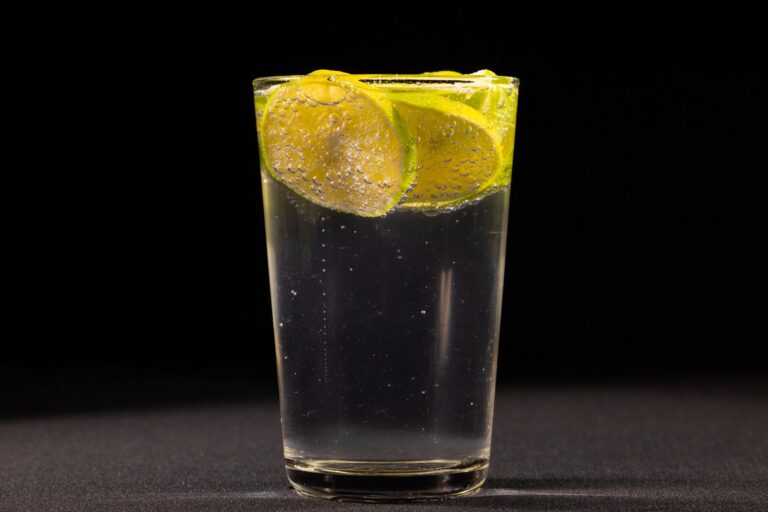
One small thing that made this easier across the board was just always having a drink in hand, water, soda, whatever the bar had that wasn’t alcohol. An empty hand seems to invite someone to fill it. A glass already there tends to get skipped right over when the next round comes up. It’s a small, almost silly detail, but it cut down on how often I even had to say anything at all.
What this actually saved me
Beyond the two extra beers a week I wasn’t drinking, the bigger change was just not carrying a low hum of social anxiety into every happy hour. I used to walk in already half-bracing for the moment I’d have to explain myself. Once I stopped needing an explanation at all, that bracing went away. Happy hour became what it was supposed to be, a chance to unwind with people from work, instead of a small test I had to pass every week.
The mornings after were better too, obviously, since fewer drinks meant less fog getting into Friday. But honestly the bigger win was mental. I wasn’t spending Thursday afternoons dreading the question before it even came.
What I’d say to someone dreading their next happy hour
You don’t owe anyone a paragraph. “I’m good, thanks” is a complete sentence and a complete answer. If someone pushes, repeat it rather than inventing a new reason. Keep something in your hand so the question comes up less often in the first place. And if you notice that saying no to a drink brings up more anxiety than it reasonably should, or that you’re dreading ordinary social situations because of how they revolve around alcohol, that’s worth talking through with a doctor rather than just white-knuckling your way through every Thursday. For most ordinary happy hours though, the short answer is the whole answer.