This article may contain affiliate links. If you buy through them, Living Healthy Choices may earn a small commission at no extra cost to you. Learn more.
I didn’t sign up for Dry January on purpose. I came down with a nasty cold on New Year’s Day, the kind that sits in your chest for two weeks, and I just didn’t feel like drinking while I was sick. Then the cold turned into a sinus thing that dragged into the third week of the month, and by the time I felt fully normal again, I realized I hadn’t had a drink in almost four weeks without ever deciding to try.
A friend invited me to a birthday dinner in the last week of January, and I remember standing at the bar deciding whether to just go back to normal or finish out the month since I was already so close. I finished the month. That last week ended up teaching me more than the accidental three weeks before it, because it was the first time the choice was actually mine rather than just being too sick to care.
What I actually noticed during the month off
The sleep difference showed up first, within about a week. I was falling asleep faster and wasn’t waking up around three in the morning the way I sometimes did after a couple of drinks in the evening. I hadn’t really connected those dots before, since the wake-ups always felt random rather than tied to anything specific the night before.
The other thing I noticed was smaller but stuck with me longer, which was how much simpler evenings felt without the question of whether to have a drink built into them. Dinner was just dinner. A movie at home was just a movie at home. There wasn’t a background decision running the whole time about whether tonight was a wine night or not.
The social side was the harder part
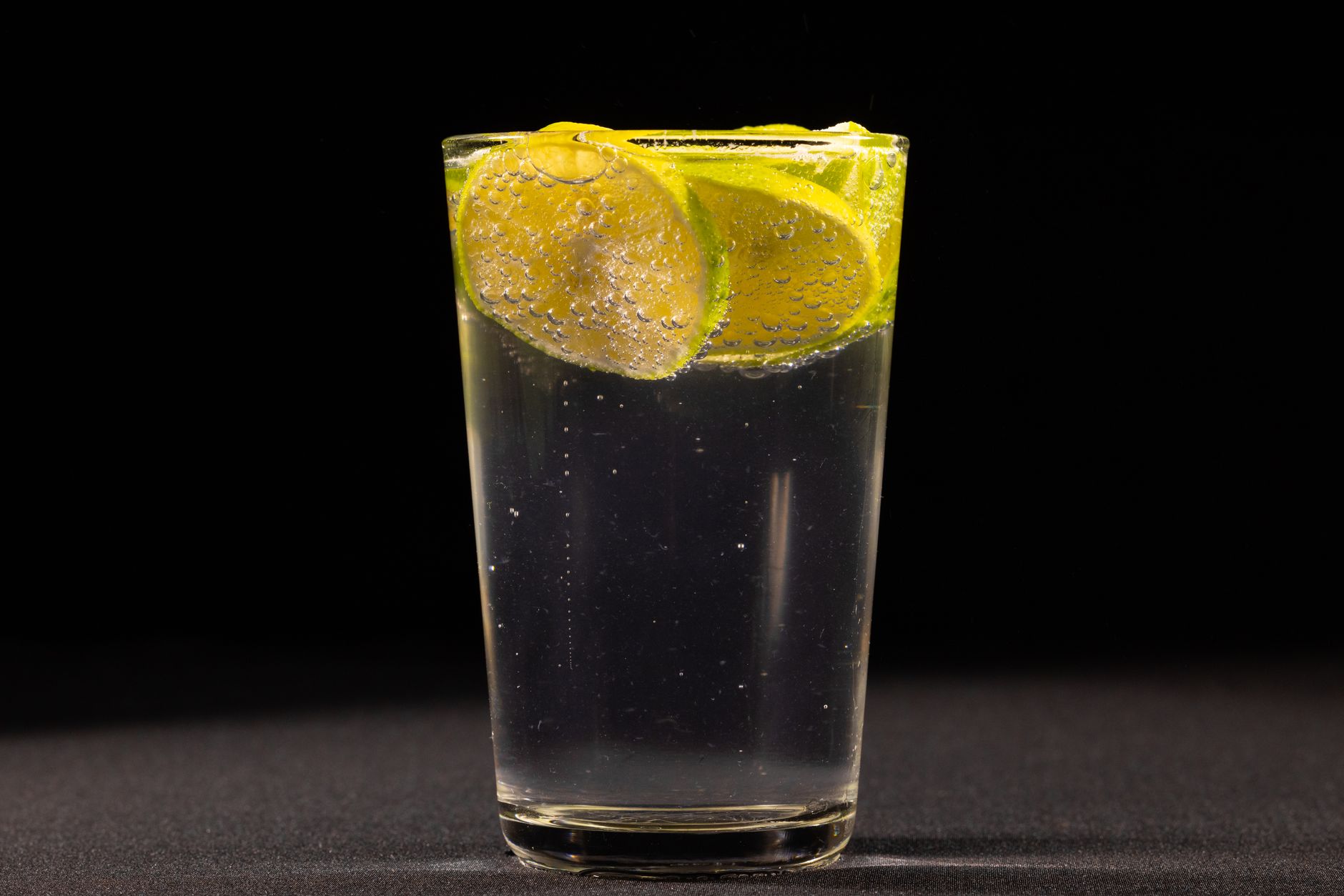
Where it got more complicated was anything social. A work dinner in the second week put me in the position of ordering sparkling water while everyone else ordered wine, and I felt more self-conscious about it than I expected to, given that nobody at the table said a single word about it. That was on me, not them. I’d built up an idea in my head that not drinking at a work dinner would look like a statement, and it just didn’t, at all.
By the third week I’d stopped noticing it myself, which was the more interesting shift. The first non-drink felt like a decision I had to defend in my own head. By the fourth one, it was just what I was having that night, no different than picking one entree over another.
The awkwardness I felt about not drinking in public turned out to live entirely in my own head, not in the room.
Going back to normal, carefully
When February started, I didn’t go back to my old pattern right away. I’d gotten used to evenings without a drink built into them by default, and going straight back to that same rhythm felt like giving up something I’d only just noticed I had. So I kept the default as no, and let specific occasions, a birthday, a game night, a wedding, be the exception instead of the other way around.
That flip, from drinking being the default and specific nights being dry, to not drinking being the default and specific nights being for drinking, is the actual change that’s lasted. The one month off didn’t turn into permanently not drinking, but it did rearrange which one required a decision and which one didn’t.
What surprised me most
I expected the hardest part of the month to be missing the taste of a beer on a Friday, or feeling left out at a party. It wasn’t. The hardest part was just habit, reaching for a glass of wine while cooking dinner out of pure routine, not because I actually wanted one in that moment. Once I noticed how much of my drinking had been routine rather than actual desire, that was the piece that changed how I thought about the rest of the year.
What I’d tell someone considering a month off
You don’t need a New Year’s resolution or a formal challenge to try it, an illness, a busy stretch, or just curiosity is reason enough. Pay attention less to whether you miss it and more to what you notice changing, sleep, mood, how automatic your reaching for a drink actually was. Those are the things that tend to stick with you longer than the month itself.
If a month off ever turns up something more serious than mild curiosity, real trouble sleeping without it, anxiety that only eases with a drink, or any sign that stopping is harder than you expected it to be, that’s worth bringing to a doctor rather than working through alone. For most people just testing the waters, though, a month is mostly a chance to see your own habits from the outside for once.