This article may contain affiliate links. If you buy through them, Living Healthy Choices may earn a small commission at no extra cost to you. Learn more.
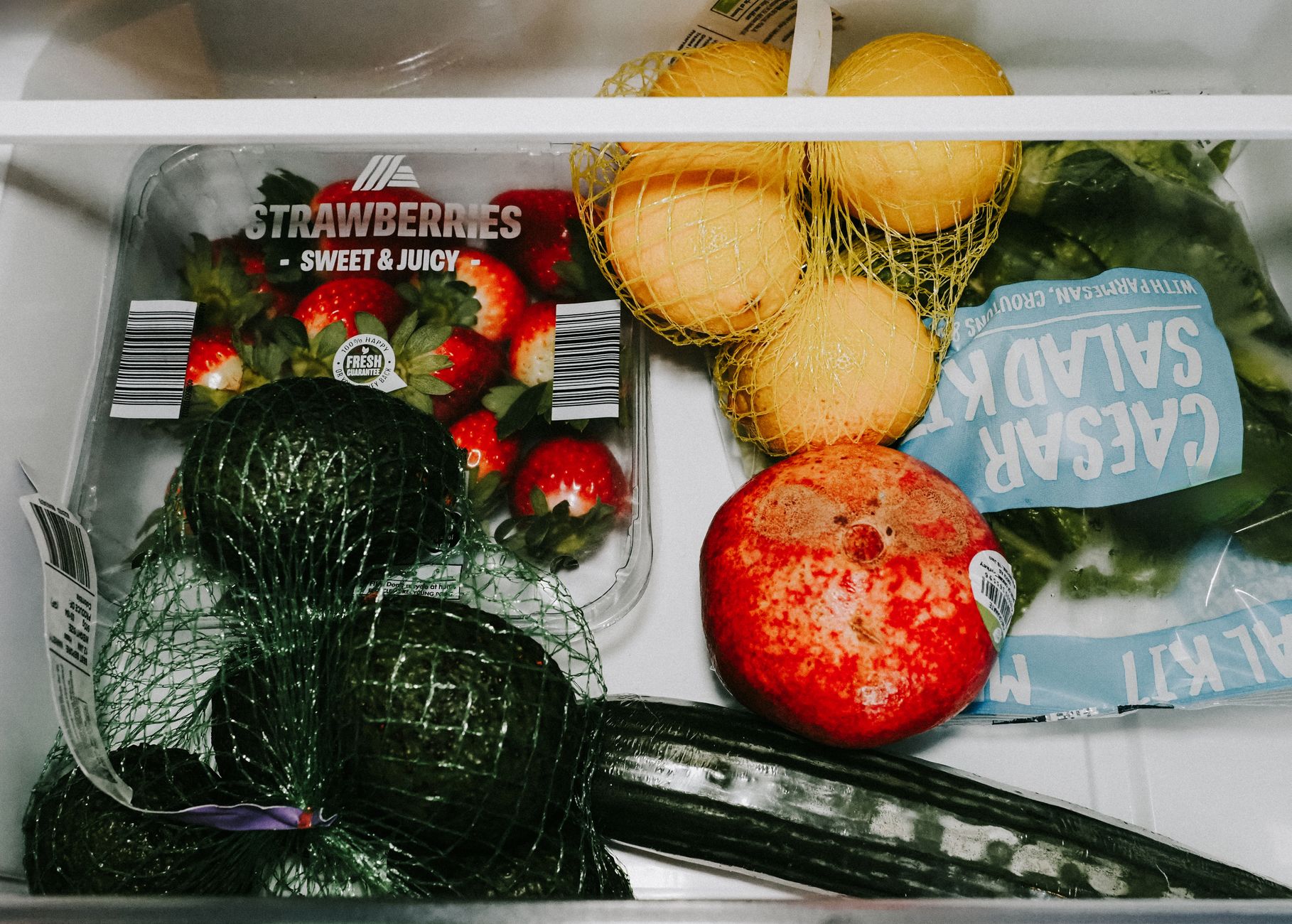
I opened the crisper drawer on a Sunday to find a bag of spinach that had gone soft and dark at the bottom, the kind of soft that means it’s done, not the kind you can still cook around. I stood there for a second doing the math in my head. This was the third bag in a row. Same result each time: bought with good intentions, used maybe a third of it, and the rest sat there until it wasn’t worth opening the bag anymore.
Throwing out food doesn’t feel great, but what actually got my attention wasn’t the waste itself, it was the pattern. Three weeks of buying the same thing and getting the same result should have told me something after week one. It took three.
Retracing the decision at the store
I thought back to buying it each time. It was never a planned purchase. Spinach was just something I grabbed because it felt like the responsible thing to put in the cart, a vegetable, something green, evidence to myself that I was shopping reasonably. I didn’t have a specific dinner in mind when I picked it up any of those three times. I had a feeling, not a plan.
That’s different from how I buy something like chicken, where I’m usually already thinking about what I’m making with it before I put it in the cart. The spinach was aspirational. It represented a version of the week where I cooked more vegetables, rather than being tied to an actual meal I intended to make on an actual day.
I wasn’t buying spinach for Tuesday’s dinner. I was buying it for a version of myself who cooks more often than I do.
What changed when I looked at it that way
Once I saw it that way, the pattern made more sense. Aspirational purchases are the ones most likely to go unused, because there’s no specific moment attached to them, no Tuesday when the spinach was supposed to go into a specific pan. Compare that to the eggs or the bread, which get used almost automatically because there’s a daily habit built around them already.
So the next time I was at the store, I tried something different. Before picking up any vegetable, I asked myself a plain question: when, specifically, am I going to cook this. Not this week, but which day, roughly, and in what. If I couldn’t answer that in a few seconds, I put it back or bought a smaller amount.
That one question cut out most of the aspirational buying. I still bought vegetables, but fewer of them, and the ones I bought were more likely to get used because I’d already pictured using them before they left the shelf.
The uncomfortable part of this
What I didn’t love realizing is that the spinach wasn’t really about spinach. It was about wanting to see myself a certain way in the cart, as someone who eats vegetables regularly, even when the actual week ahead didn’t have room for that. The bag of spinach was doing a job that had nothing to do with dinner. It was reassurance, bought and then quietly failed by reality.
I don’t think that’s a character flaw, just a habit worth noticing. Buying food that represents an intention rather than a plan is common, and it’s easy to miss because the intention feels good in the moment, right there in the aisle. The bad feeling comes later, in the crisper drawer, disconnected from the moment that caused it, which is probably why it took three bags before I connected the two.
What actually changed after that
I started buying vegetables closer to when I planned to use them, even if that meant more frequent, smaller trips instead of one big one. A bag of spinach bought on Tuesday for a Tuesday or Wednesday dinner gets used. A bag bought on Sunday for a vague sense of sometime this week often doesn’t.
I also stopped treating a full crisper drawer as a sign I was doing well. For a while I think I equated a fridge full of vegetables with being a person who eats well, when actually the more honest measure was how much of what I bought actually got cooked. A half-empty drawer that gets used is better than a full one that goes soft.
What I’d tell someone in the same spot
- If the same item keeps going bad, trace it back to the moment you bought it and ask what you were actually thinking at the time, a plan or a feeling.
- Before adding a perishable item to the cart, try to name the specific day and meal it’s for. If you can’t, consider a smaller amount or skipping it that trip.
- Smaller, more frequent purchases of things that spoil quickly can beat one big stock-up, even if it feels less efficient.
- A full fridge isn’t the same as eating well. What matters is what actually gets cooked, not what’s sitting there looking responsible.
I still buy spinach. I just buy it differently now, with an actual dinner attached rather than a hope. The bag in the drawer this week got used by Wednesday, which is a small thing, but after three weeks of the opposite, it felt like actual progress.