This article may contain affiliate links. If you buy through them, Living Healthy Choices may earn a small commission at no extra cost to you. Learn more.
I pulled into the parking lot on a Tuesday evening with forty minutes before the store closed and no list. I had told myself I would remember what I needed. I did not. I sat in the car for a minute, phone in hand, trying to picture my kitchen: the fridge door, the shelf where the coffee usually sits, the drawer that had been empty of anything green for a week. That mental walk-through was the only planning I did, and it showed the second I got inside.
I ended up writing the list right there in the driver’s seat, thumbs on my phone, before I even opened the door. Eggs, bread, the coffee, something for dinner tomorrow, and whatever vegetables looked decent. That last one was already a mistake in the making, because whatever looks decent is not a plan, it is a guess I make while tired under fluorescent light.
What actually happened once I was inside
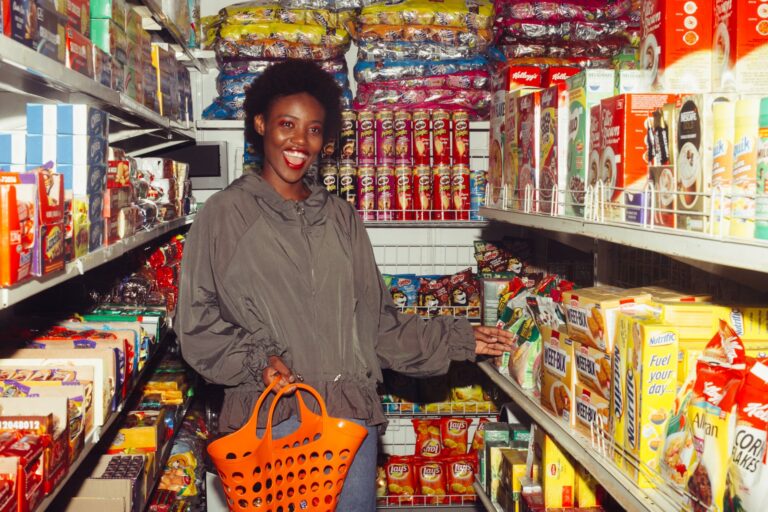
The store was close to closing and the produce section had that picked-over look, half the bins low and nothing arranged the way it is earlier in the day. I stood in front of the peppers for longer than I want to admit, not because I was choosing between quality, but because I had not decided what I was actually going to cook. A vague idea of something with vegetables does not tell you which vegetables to buy.
I grabbed a bag of spinach because it was there and I felt like I should, not because I had a use for it that week. I also grabbed a second thing of coffee because I could not remember if I already had some at home, which is exactly the kind of detail a list written in a parking lot fails to catch. A list made under pressure remembers categories, not specifics.
By the time I got to the register, my cart had the shape of a list made from memory rather than from need: reasonable individually, mismatched together. Eggs and bread made sense. The spinach did not pair with anything else I bought. The second coffee was pure forgetting.
The list I wrote in the car was honest about what I could recall. It was not honest about what my week actually looked like.
The gap between remembering and planning
What I noticed afterward is that remembering items and planning a week are two different tasks, and I had only done the first one. Remembering gets you the staples. Planning is what tells you whether you need one onion or four, whether the chicken you’re buying has an actual dinner attached to it or is just going into the freezer to be forgotten.
The parking lot list skipped planning entirely. It was reactive: what do I usually run out of, what am I probably low on. That works fine for staples like coffee and eggs, things that live on a fairly predictable cycle. It works badly for anything perishable, because perishable food needs a reason to exist in your kitchen within a few days, not just a vague sense that vegetables are good to have around.
What I did differently the next week
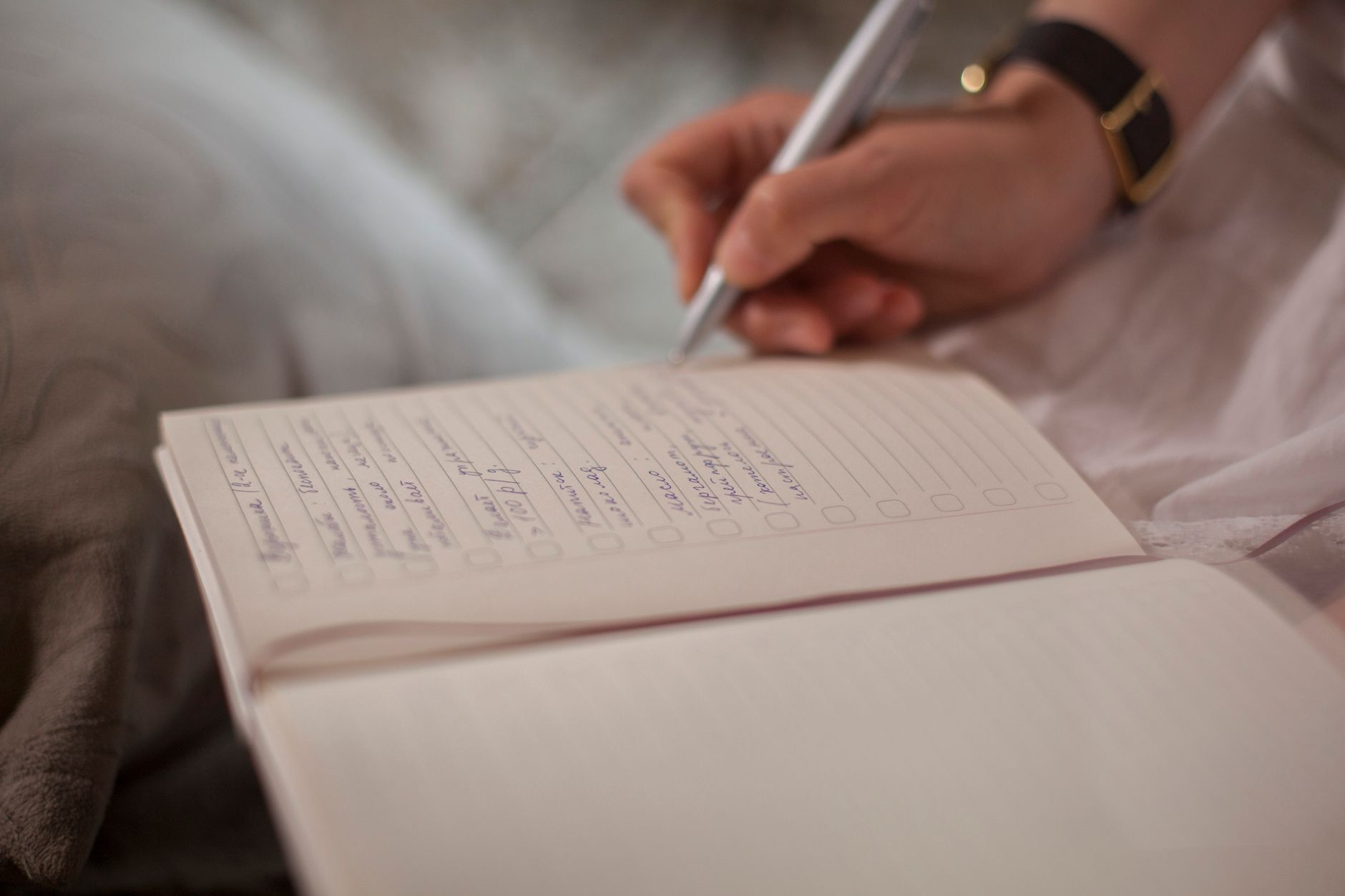
The following week I tried something small: I wrote the list over two days instead of one sitting. I added to it as things came up, when I noticed the mustard was almost empty or when I actually pictured making a specific dinner on Thursday. By the time I got to the store, the list had a little history to it instead of being invented from scratch in a parking lot.
That version of the list was shorter, which surprised me. Fewer items, but each one tied to something specific. I did not buy a backup coffee because the list already told me, accurately, that I had one at home. I did not buy spinach on a whim because the list already had a vegetable attached to an actual dinner plan.
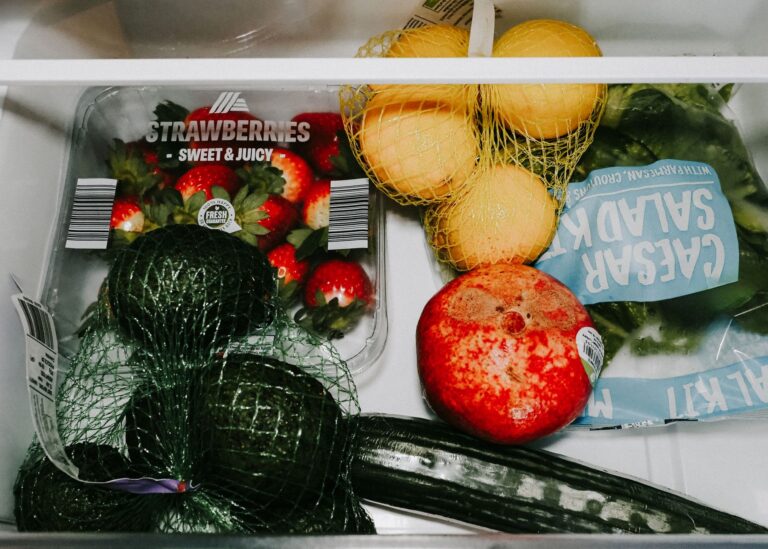
I also started leaving a rough note of what I already had, not a full inventory, just the two or three things I was unsure about. That single habit cut down on the doubled-up purchases more than anything else. It turns out most of my grocery waste was not bad choices in the store, it was not remembering what was already sitting in the fridge.
Where I still fall short
I still write parking lot lists sometimes. Some weeks are busy enough that a two minute list in the car is the only list that is going to happen, and a rushed list beats no list. The difference now is that I know what that kind of list is good for and what it isn’t. It catches staples. It does not catch a plan. On those weeks I try to buy less overall and accept that dinner might be improvised rather than pretending the improvised version of a list will produce a planned week of meals.
I do not think there is one right way to make a grocery list. What changed for me was noticing that the speed at which I wrote the list mattered as much as what was on it. A list written under time pressure, from memory alone, tends to reflect what I’m anxious about running out of rather than what I actually need. Slowing that part down, even by a day, made the trip itself calmer, because I wasn’t standing in the aisle trying to invent a plan I should have made at home.
A few things I’d tell someone starting from scratch
- Write the list over more than one sitting if you can, even just adding to a running note on your phone as things come up during the week.
- Before you leave, take thirty seconds to picture what you already have, not a full inventory, just the two or three uncertain items.
- If you’re only picturing categories like vegetables or something for dinner, that’s a sign the list is reactive rather than planned, and it’s worth pausing to attach an actual meal to it.
- A rushed list is still better than no list. Just expect it to cover staples well and specifics poorly.
None of this is a system, and I’m not claiming it solves grocery shopping. It’s just what I noticed after paying attention to my own habits for a few weeks: the list I write in a hurry and the list I build over time produce two different carts, and only one of them actually matches what I end up eating.